
APPLICATIONS
Measurement Applications for Industrial and Laboratory Environments
Explore how analytical sensors, electrodes and instruments are selected for industrial processes, water systems and laboratory workflows. Compare measurement parameters, identify relevant product families and prepare the information needed for a technical inquiry.
Explore Measurement Applications
Different applications involve different sample conditions, measurement parameters and installation requirements. Start with the environment most relevant to your project.

Fermentation & Bioprocessing
Review pH measurement where process connections, cleaning and sterilization affect electrode selection.

Environmental Water & Wastewater
Compare pH, ORP, conductivity and dissolved oxygen measurement for water monitoring points.

Laboratory Analysis
Select electrodes by analytical method, sample characteristics and instrument connection.

Pure Water & Low-Conductivity Measurement
Review sample handling and sensor options for low-ionic-strength water.

Chemical Processing
Explore pH, ORP and conductivity measurement considerations for chemical processing environments, including process conditions, material compatibility and installation requirements.

Swimming Pool & Spa Water
Explore water quality measurement considerations for swimming pools and spa systems, including pH and ORP monitoring, sensor selection and instrument integration.
Analytical Measurement Across Different Applications
pH Measurement for Fermentation & Bioprocessing
Start with the pH measurement point and how it fits into the process. A vessel installation and a sample taken for offline analysis have different requirements. Describe the process medium, the measurement point and whether the electrode remains installed during cleaning or sterilization.
Compare electrode construction, the vessel or housing connection and the interface to the instrument. Where sterilization is required, confirm the method and operating limits for the specific electrode and assembly before specifying it. The catalogue identifies sterilizable models separately; treat those listings as candidates for review.
Water Quality Measurement for Environmental & Wastewater Applications
Define the monitoring objective at each point in the water system. pH describes acidity or alkalinity, ORP describes oxidation-reduction potential, and conductivity characterizes how readily the sample conducts electricity. If dissolved oxygen is also needed, evaluate it as a separate measurement with its own sensor and installation requirements.
Describe solids, fouling and how the sensor will be accessed for cleaning. Compare immersion and flow-through arrangements against the actual sampling point and review the connection to the analyzer or control system. Catalogue products are starting points for selection; site conditions determine the appropriate assembly.
Electrode Selection for Laboratory Analysis
Start with the analytical method and the sample rather than the shape of the probe. Identify whether the task is pH measurement, conductivity or a specific ion-selective method. A laboratory pH electrode and an ion-selective electrode answer different questions, even when both are used with electrochemical instruments.
Specify sample volume, temperature and handling, as well as the instrument input and connector. Review calibration, rinsing and storage instructions for the selected model. If the sample matrix or method is unusual, share it before selecting an electrode so the options can be reviewed against the documented method.
Measurement Solutions for Pure Water & Low-Conductivity Samples
Low-ionic-strength samples need careful handling. Clarify whether the goal is to measure conductivity or pH; the two measurements describe different properties and may require separate instruments. A pure-water pH electrode is a candidate for pH measurement, not a substitute for a conductivity sensor.
Describe the expected conductivity range, sample temperature and whether the sample is taken in a vessel or flows past the sensor. Review how air exposure, sample transfer and contamination are controlled. Confirm the documented measurement range and installation arrangement before selecting a model for the sampling point.
Analytical Measurement for Chemical Processing Applications
Start by defining the measurement point and whether it calls for industrial pH, ORP or conductivity measurement. Document the process composition, normal and peak temperature and pressure, and any exposure during cleaning. Check the wetted materials, electrode construction and seals against those actual conditions before selecting a chemical processing sensor.
Review the mounting arrangement, process connection, access for maintenance and compatibility with the intended analyzer or transmitter. The industrial sensor catalogue is a starting point for review; suitability depends on the specific model and operating conditions.
Water Quality Measurement for Swimming Pools & Spa Systems
For swimming pool and spa water quality monitoring, define where pH and ORP readings will be taken in the circulation or sampling system. Pool ORP reflects oxidation-reduction potential and is not a direct measurement of free-chlorine concentration.
Describe flow and sample conditions, the sensor mounting arrangement, cleaning access and maintenance needs. Identify the controller and its inputs so the proposed sensor and instrument can be reviewed together. Share whether the monitoring point serves a pool or spa and any differences in its operating conditions.
Explore Solutions by Measurement Parameter
ORP
Measure oxidation-reduction potential and review the electrode and instrument together.
Conductivity
Assess electrical conductance and match the sensor to the expected sample range.
Dissolved Oxygen
Review dissolved oxygen sensors and compare their installation and instrument needs.
Ion-Selective Measurement
Select an electrode for the target ion and documented analytical method.
What Should You Consider When Selecting a Sensor?
Product selection depends on more than the measurement parameter. Operating conditions, sample characteristics and installation requirements can influence the available options.
01
Define the measurement parameter
State what you need to measure and the expected range at the measurement point.
02
Describe the sample or process medium
Provide sample composition, solids and any known factors that affect handling or cleaning.
03
Review operating conditions
Share normal and peak temperature, pressure and chemical exposure, including any cleaning cycle.
04
Confirm installation and connection
Describe the mounting point, process connection, available space and cable route.
05
Review instrument and documentation needs
Identify the instrument or controller input and any drawings or documents needed for review.
Explore Products for Your Measurement Requirements

Sterilizable pH Electrode
JA-PH-BIO310
Sterilizable pH electrode for model-specific process review.
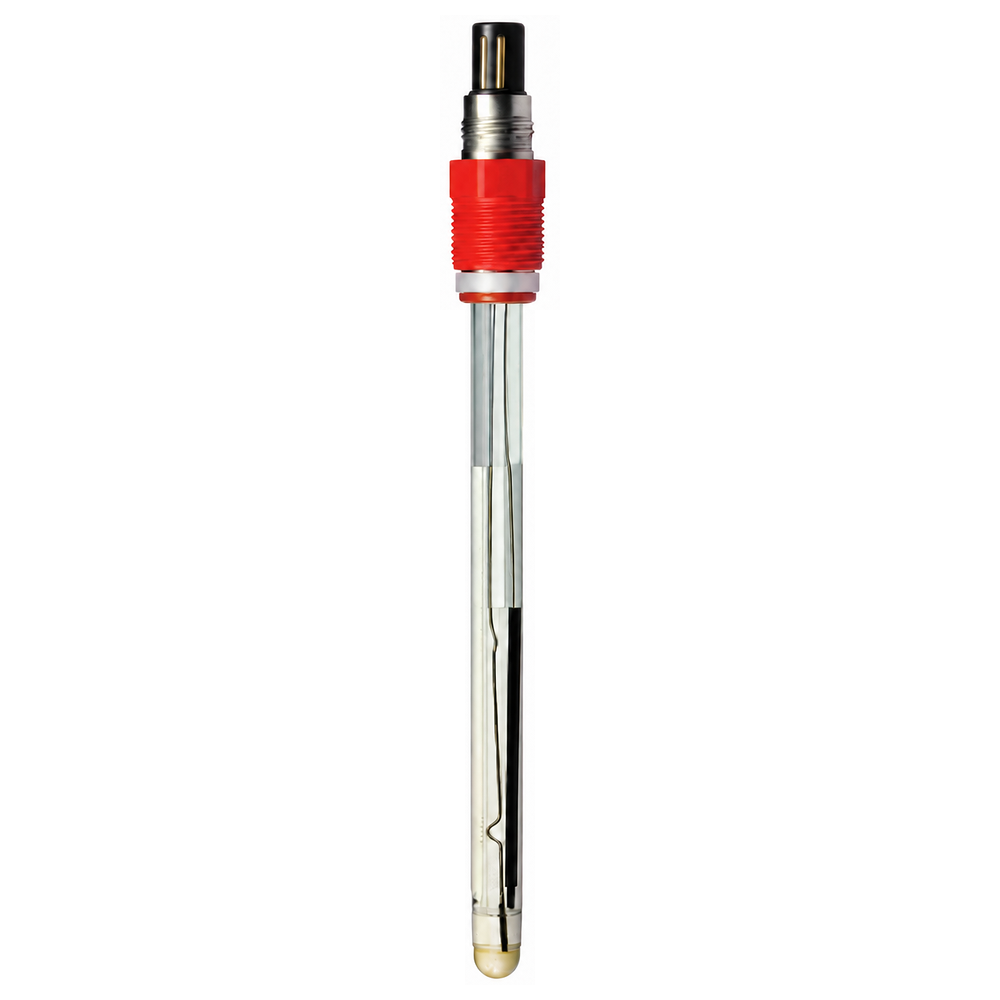
Sterilizable Combination pH Electrode
JA-PH-BIO320
Combination pH electrode listed as sterilizable.

Online pH/ORP Controller
JA-AN-PH400
Online instrument for pH and ORP measurement.

RS485 Digital Dissolved Oxygen Sensor
JA-DWQ-DO100
Digital dissolved oxygen sensor with RS485 interface.
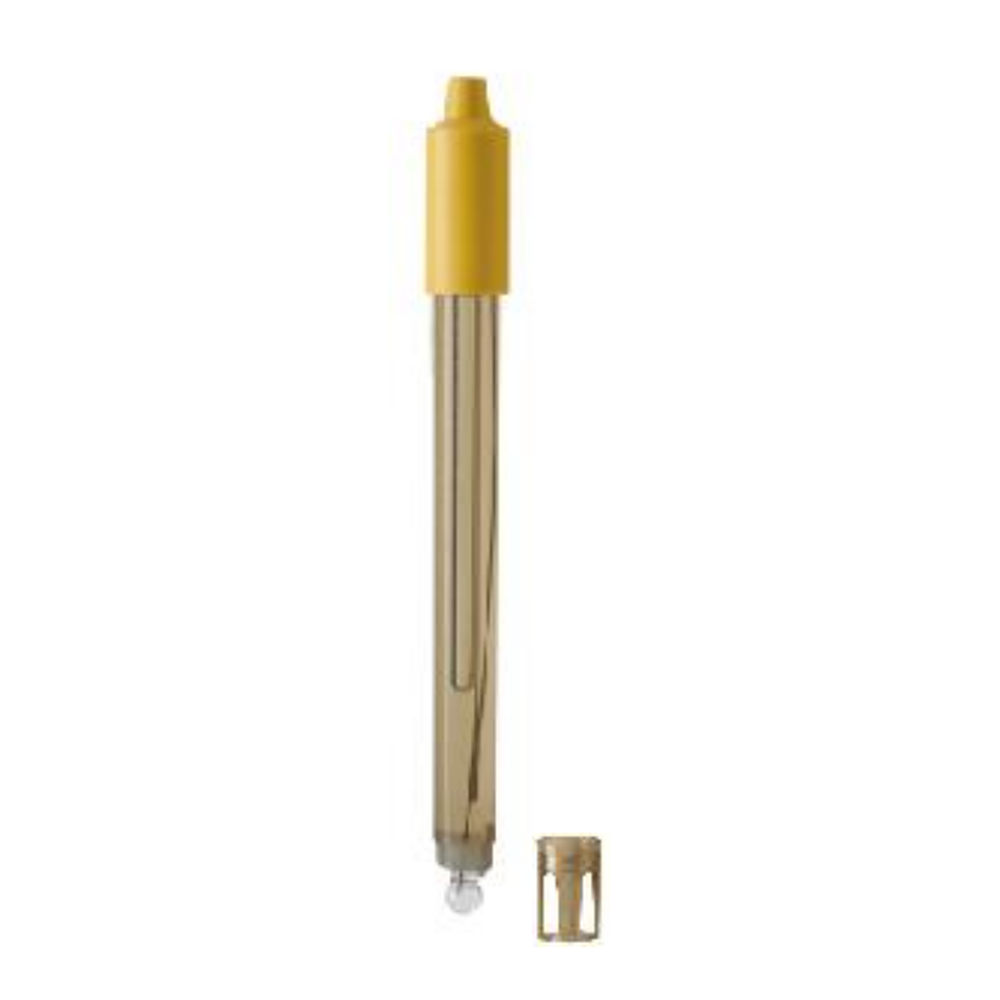
Laboratory pH Electrode
JA-L-PH201
Electrode for laboratory pH measurement.
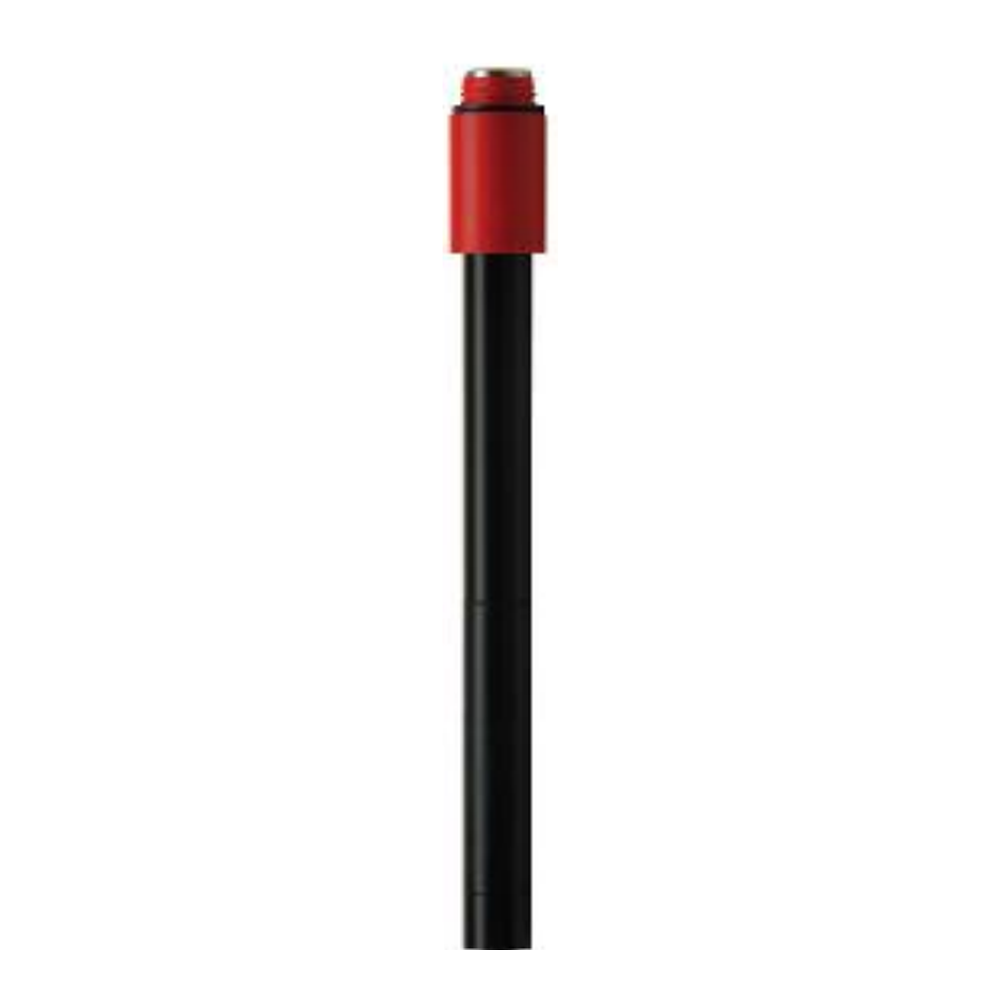
Laboratory Ammonia Ion-Selective Electrode
JA-L-NH3-100
Laboratory electrode for an ammonia ion-selective method.
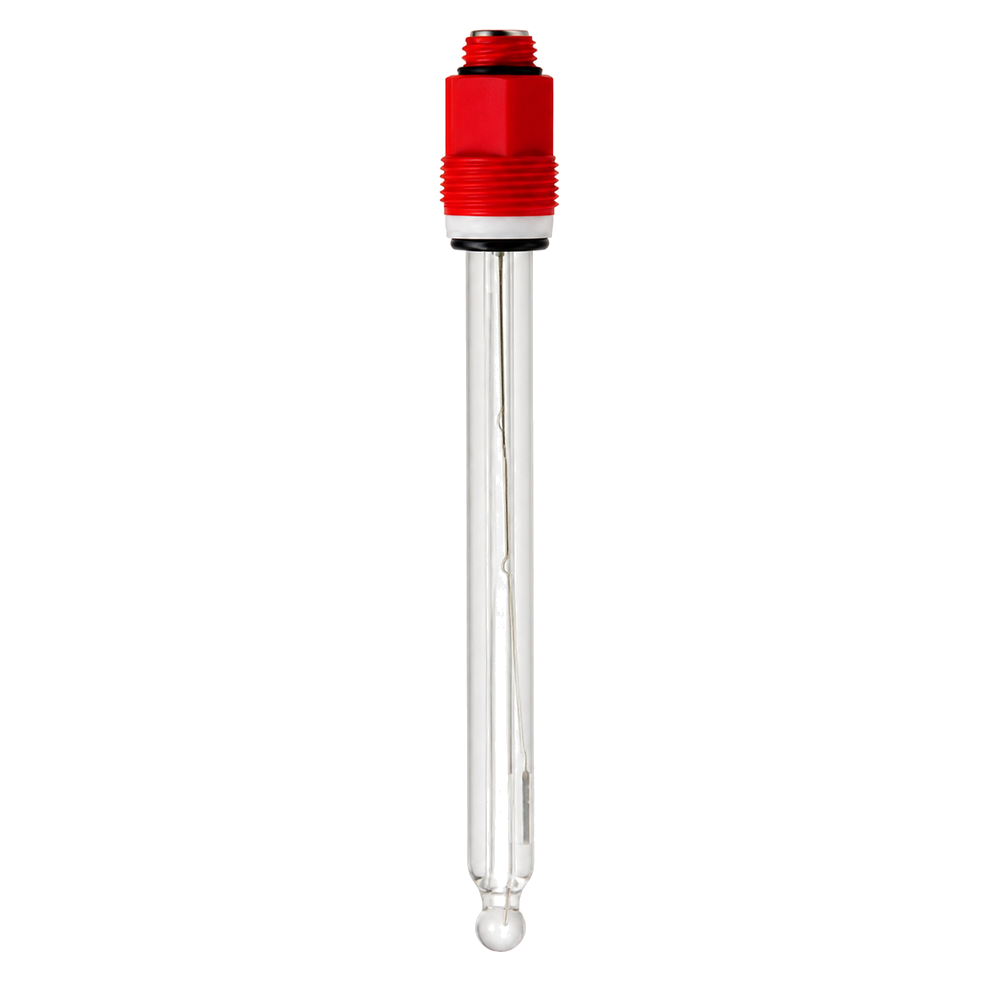
Pure Water Glass pH Electrode
JA-PH-PW100
Glass pH electrode listed for pure-water measurement.
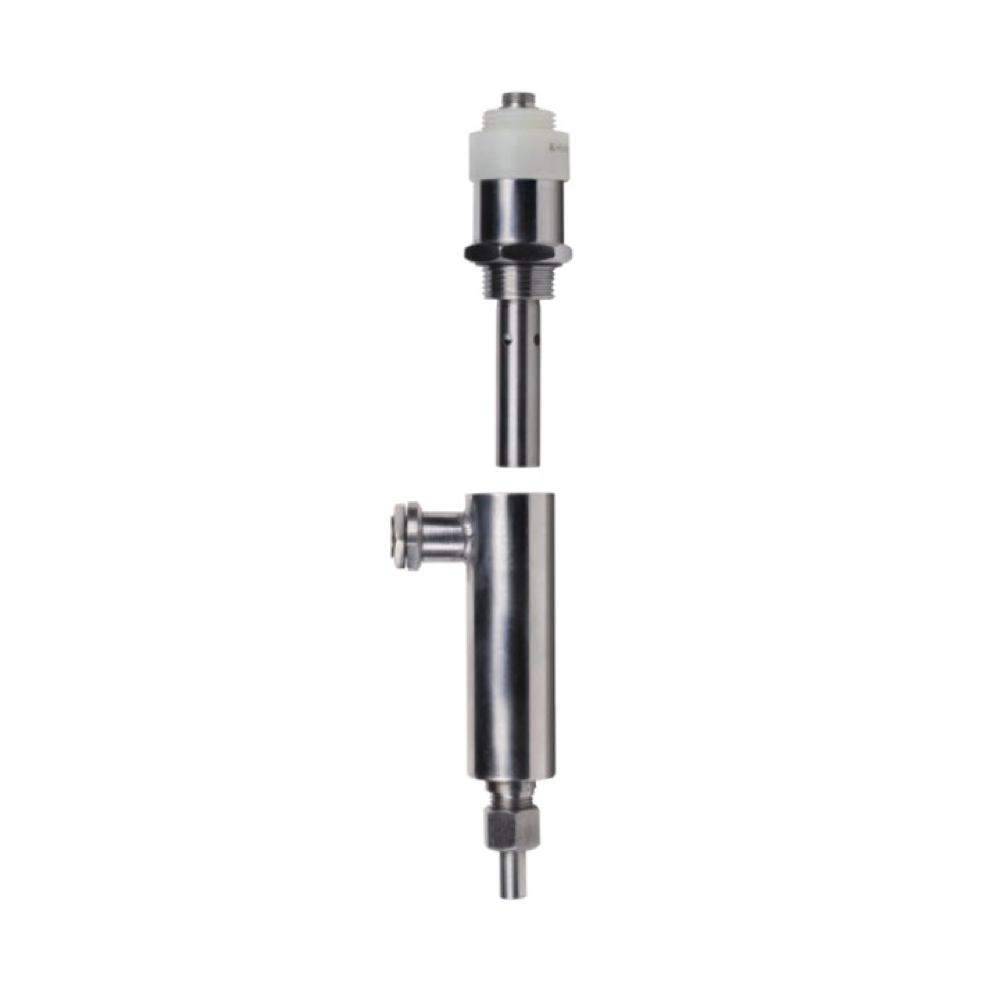
Online Conductivity Electrode
JA-EC-PW100
Online electrode for conductivity measurement.
Need a Solution for Specific Measurement Conditions?
J&A Analitycal has an experienced team that can review application-specific requirements. Available options depend on the model, operating conditions and documentation.
Share Your Application Requirements
Send the measurement objective, operating conditions and relevant drawings.
Review Product and Customization Options
Compare available configurations, materials and connections against the application.
Confirm Specifications and Next Steps
Review the documented specifications and confirm the proposed configuration before proceeding.
Frequently Asked Questions About Measurement Applications
How do I choose a sensor for a specific industrial application?
Start with the parameter, expected range and measurement point. Check the process medium, installation and instrument interface against the specific product documentation.
What information is needed to select a pH or ORP electrode?
Provide the parameter, sample or process medium, temperature, pressure and mounting details. Include cleaning requirements and the instrument model if known.
Can the same electrode be used for laboratory and industrial measurements?
Only if its documented construction, connection and operating conditions suit both workflows. A laboratory electrode should not be assumed suitable for an installed process point.
What operating conditions should I provide before requesting a quotation?
Include normal and peak conditions, relevant chemicals, expected range, installation arrangement and cleaning requirements. Add quantities and drawings if available.
Can J&A Analitycal help review non-standard measurement requirements?
Yes. J&A Analitycal has an experienced team that can review available configurations based on your application and documentation. Confirm options and specifications before ordering.
What should I consider when selecting sensors for chemical processing applications?
Sensor selection for chemical processing should begin with the measurement parameter and the actual process medium. Important considerations include chemical compatibility of wetted materials, operating temperature and pressure, process connection, cleaning requirements and compatibility with the intended analyzer or transmitter. Product suitability should be confirmed against the specific operating conditions before selection.
What measurement parameters are commonly monitored in swimming pool and spa water systems?
pH and oxidation-reduction potential (ORP) are commonly monitored parameters in pool and spa water systems. The appropriate measurement arrangement depends on the water treatment process, installation conditions and monitoring objectives. ORP indicates the oxidation-reduction potential of the water and should not be treated as a direct measurement of free-chlorine concentration. Sensor and instrument compatibility should be verified for the intended system.
Tell Us About Your Measurement Application.
Share your measurement parameters, operating conditions and installation requirements so we can review suitable product options.